



































Introducing a new puppy to your current dog is often an exciting process, and many dogs will become fast friends and eas...
Read MoreAdopt Me
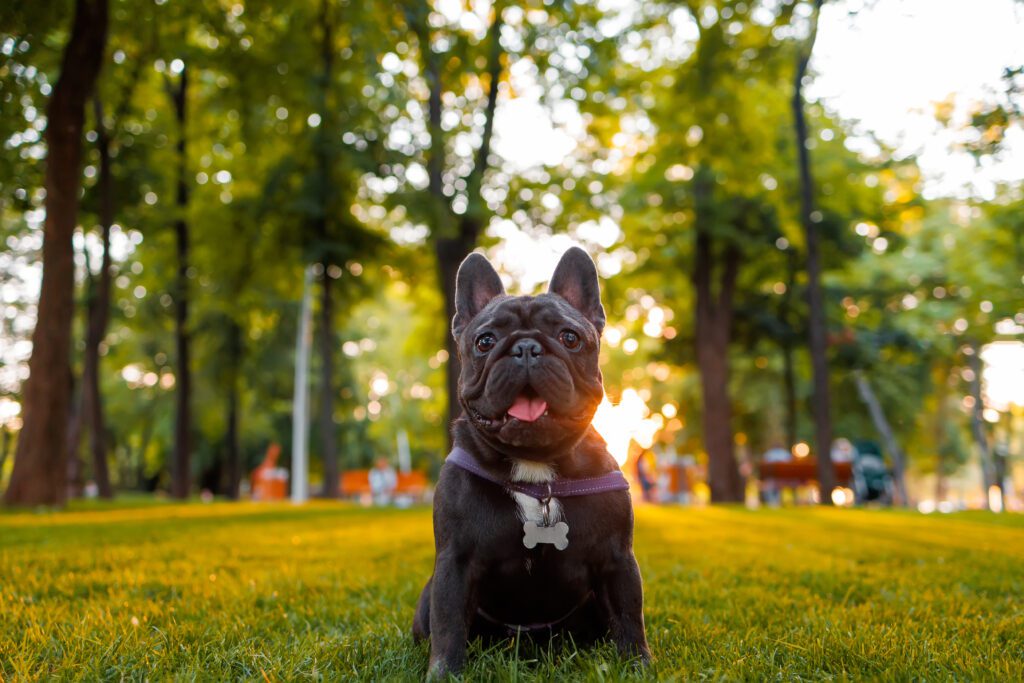


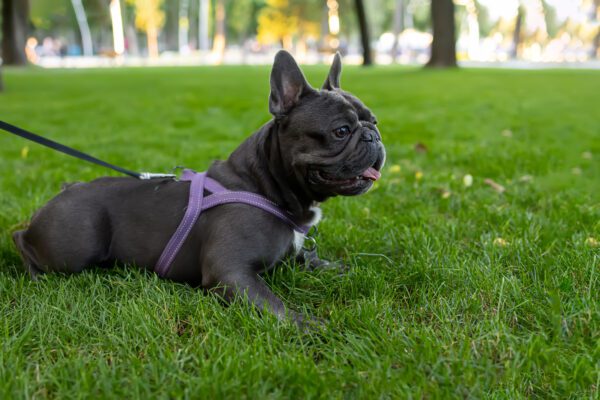
A Blue French Bulldog is affectionate, people focused, and full of charm. The breed is playful yet calm, likes short daily walks, and enjoys long naps near family. The blue coat is a color variation, and the same core breed traits still apply. Careful research helps you choose a healthy dog and a responsible source.
Adoption is a kind choice because it gives a dog a new start and helps reduce irresponsible breeding. Adopted dogs often come with basic veterinary care and behavior notes, which makes settling in easier. New Hampshire offers peaceful towns, busy small cities, lakes, and mountain trails. The climate is cold in winter and humid in summer, which can challenge a brachycephalic breed. A Blue French Bulldog thrives with indoor living, climate control, and short outings in safe weather.
Plan for routine veterinary care, thoughtful nutrition, and gentle exercise. Short noses mean careful temperature management year round. Choose a home setup that prevents overexertion and supports joint health. Preparation sets you and your future companion up for success.
You can skip searching shelters and rescues one by one by using Dog Academy. Browse current adoption listings across New Hampshire and nearby regions in one place. You can also use helpful guides and checklists to understand requirements, prepare your home, and finalize your adoption with confidence.
Adoptable Blue French Bulldogs appear through local animal shelters, regional rescues, and breed specific rescue groups. Read each profile closely and confirm energy level, medical history, and social needs. French Bulldogs can be sensitive to heat, may have airway concerns, and can develop skin or allergy issues. Understanding these needs helps you choose a dog that fits your household and lifestyle.
The process usually starts by browsing listings and submitting an application. Most groups ask for identification, landlord approval for renters, personal references, and a veterinary reference if you have current or past pets. Clear and complete answers help matchmakers understand your schedule, experience, and home environment.
Next come meet and greets. These visits allow you to interact with the dog and, when relevant, introduce resident pets through calm, supervised sessions. Many organizations also perform home checks, which can be virtual or in person. A home check verifies safety, including secure doors, safe stairs, climate control, and a quiet area for rest and crate training. Approval timelines vary. Straightforward adoptions can finish within 1 to 2 weeks. Medical cases or complex matches can take 2 to 3 weeks or a bit longer.
Transport can expand your options when a great match lives outside your area. Rescues sometimes arrange transport to move dogs between states or regions using coordinated volunteer drivers or licensed carriers. Transport usually happens after approval, and handoffs follow clear identification and paperwork steps to keep everyone safe.

|
How Much Does It Cost to Adopt a Blue French Bulldog in New Hampshire?In New Hampshire, adoption fees for a Blue French Bulldog typically range from $600 to $1,000. Fees trend higher for this breed due to strong demand and because many groups provide extensive medical care before placement. Costs reflect age, training level, recent medical treatment, and how quickly each dog is likely to be adopted. Most fees cover spaying or neutering, vaccinations, microchipping, and veterinary exams. Some groups include dental cleanings or behavior support, which can raise fees slightly. A younger dog with high demand can cost more. An older dog or a dog with manageable medical needs can cost less. Plan additional funds for initial supplies, a harness and leash, a crate, and follow up veterinary visits. |
How Should I Train a Blue French Bulldog?Blue French Bulldogs are bright and affectionate, yet they can be stubborn. Short sessions, upbeat feedback, and high value rewards work best. Focus on calm attention, name response, hand target, sit, and down. Keep sessions under 10 minutes to prevent frustration and keep learning fun. House training can take time with a small breed. Use a regular schedule, frequent outdoor breaks, and careful supervision. Crate training supports safe rest and prevents accidents. Socialization is important. Introduce new people, sounds, and surfaces at a relaxed pace to build confidence. Teach cooperative care for wrinkle cleaning, ear care, and nail trims so grooming feels safe and predictable. Protect breathing and joints during exercise. Practice loose leash walking and settle on a mat so your dog can relax in public without overexertion. For step by step guidance, try Dog Academy’s online training courses. Clear lessons help you build manners, social skills, and reliable recall while keeping sessions low impact. |
|
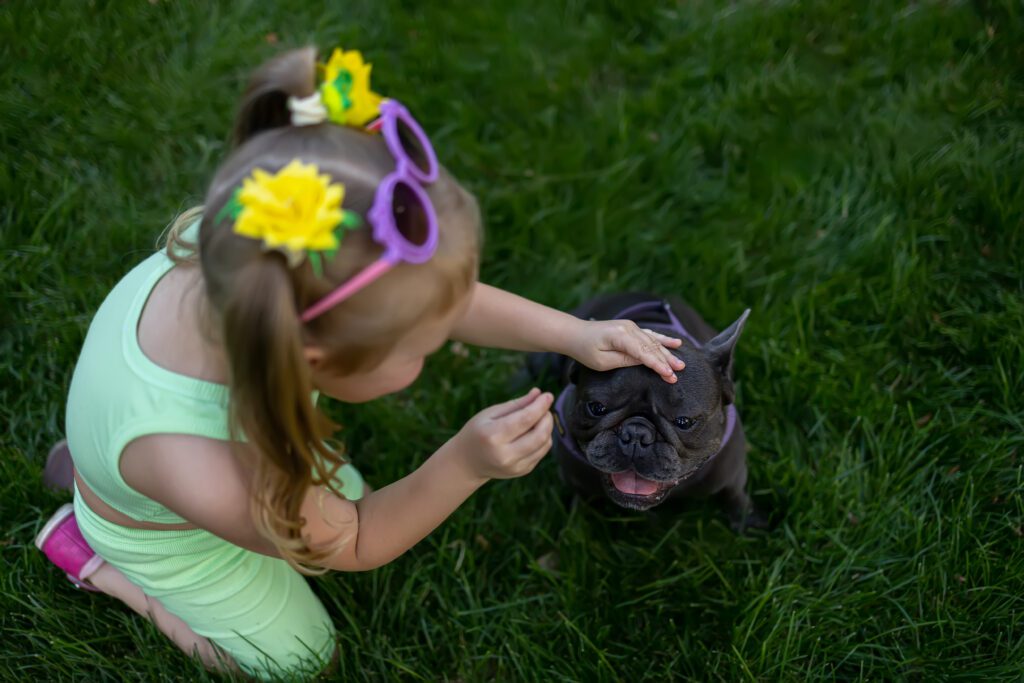
The ideal owner enjoys a mostly indoor lifestyle, keeps a steady routine, and can give gentle walks, cuddles, and mental enrichment. Climate control is important in New Hampshire due to cold winters and humid summers. A thoughtful setup and calm leadership help this breed feel safe and content.
Take your time, ask detailed questions, and prepare your home before you bring a dog home. When you feel ready, explore listings through Dog Academy to adopt a Blue French Bulldog in New Hampshire with confidence. Careful research and patient training will help you welcome a happy companion for years to come.

Introducing a new puppy to your current dog is often an exciting process, and many dogs will become fast friends and eas...
Read More
Rescue dogs can make great companions and can transform your home into something better. These dogs make great pets and ...
Read More
You should never rush to pet a dog. Even dog owners make the mistake of approaching unfamiliar dogs and petting them rig...
Read More
Puppy mill dogs are survivors who have endured extreme hardships in their lives. They have grown up in horrendous, unsan...
Read More
With their wagging tails and comforting presence, adopting a dog can add a unique touch to your life. It’s a heart...
Read More
Older dogs may have a few gray hairs around the edges, but that doesn’t mean they can’t make wonderful companions! T...
Read More